Expertise
Our core practice spans the energy and resources economy. Each area is delivered through the same preventive, evidence-led method — and reserved legal work is routed to authorised partner firms where it arises.
01 — Core
From exploration to decommissioning, the energy industries demand strategies that anticipate regulatory shifts, market volatility and cross-border friction. Through our network of energy specialists, we support upstream, midstream and downstream stakeholders on commercial strategy, contracting and regulation.


Exploration, appraisal and field development.

Transport, storage and processing.
Refining, marketing and distribution.
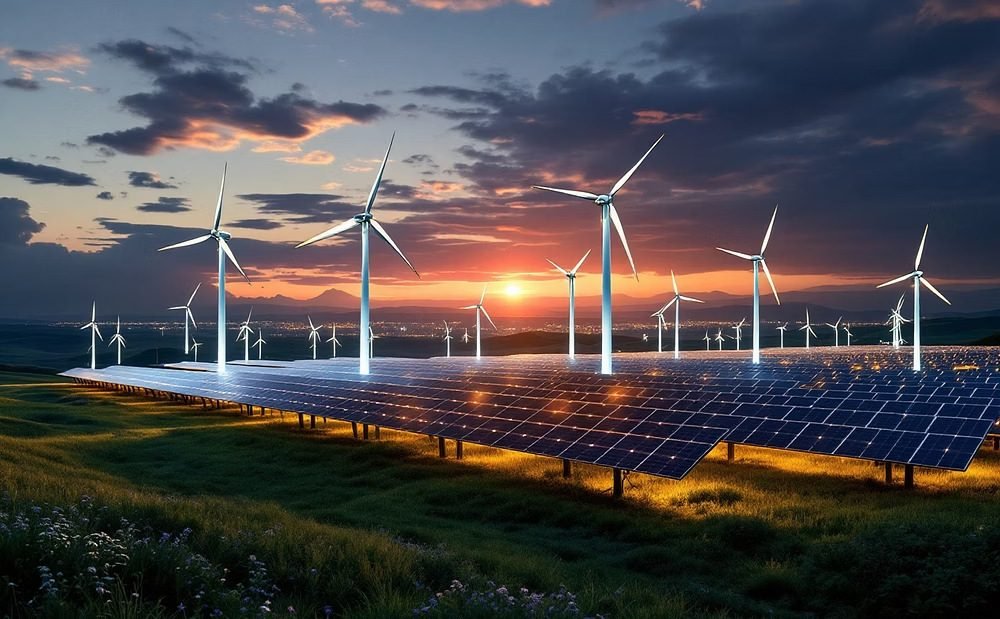
Solar, wind and geothermal transition.
02 — Core
Lithium, cobalt and rare earths underpin the clean-energy economy, yet their extraction raises intertwined legal, ESG and geopolitical questions. We advise governments, producers and financiers on frameworks that balance investment incentives with environmental and social safeguards.

03 — Core
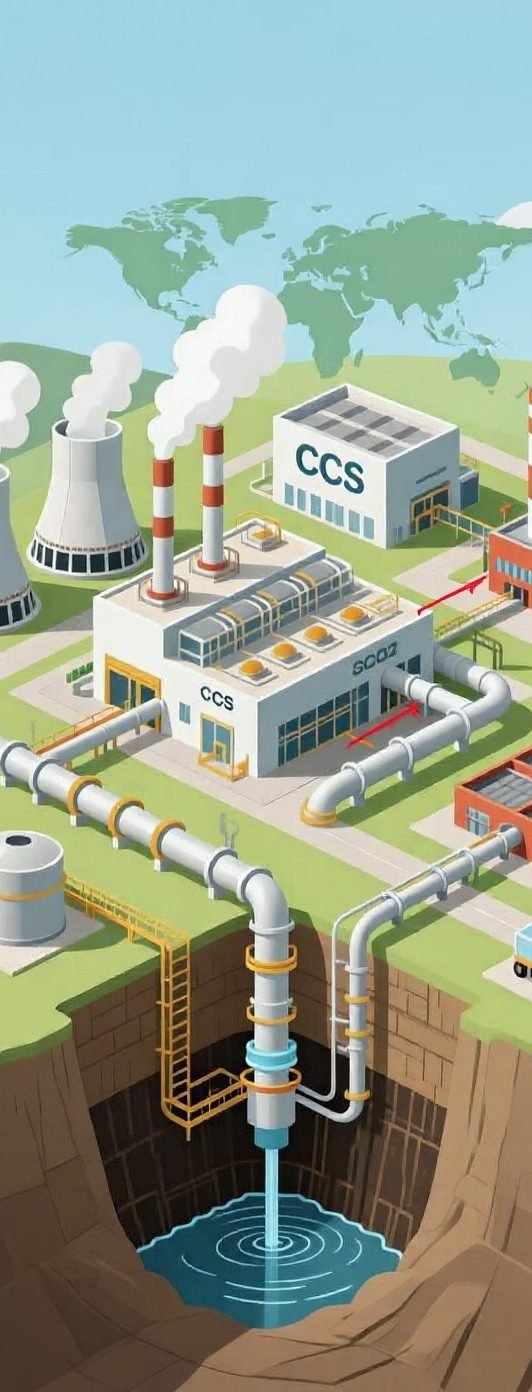
Carbon capture, utilisation and storage is central to net-zero, but its legal frameworks are complex and fragmented. We guide developers, investors and governments from feasibility and permitting through MRV design to long-term liability allocation, structuring projects for bankability.
Illustrative engagement type: advising a consortium on the legal and commercial structure of offshore CO₂ storage, with MRV and liability frameworks aligned to the relevant national regime and the London Protocol. Illustrative of our scope of work; not a disclosure of any specific client matter.
04 — Core
The energy and mineral sectors face unprecedented disclosure scrutiny — and reputational, financial and operational risk from getting it wrong. We embed compliance-by-design from board governance to monitoring, producing defensible ESG positions rather than box-ticking.
Disclosure regimes are evolving rapidly — including the EU Omnibus revisions to CSRD scope and the shifting US climate-disclosure landscape. We track these and frame advice against current primary sources at the time of engagement.

05 — Core
Energy disputes span multiple jurisdictions, overlapping treaties and politically sensitive contexts. We provide strategy and instructing-side support across investment-treaty and commercial arbitration, with rigorous command of ICC, LCIA, UNCITRAL and ICSID frameworks. Our first objective is prevention.
We act as strategic and compliance advisers — designing and formulating dispute strategy and supporting the instructing legal team. We are not counsel of record; we partner with authorised counsel according to client need and jurisdiction. Illustrative engagement type: advising an investor consortium on strategy in an LCIA-seated dispute arising from production-sharing-contract breaches and political-risk factors.

06 — Core
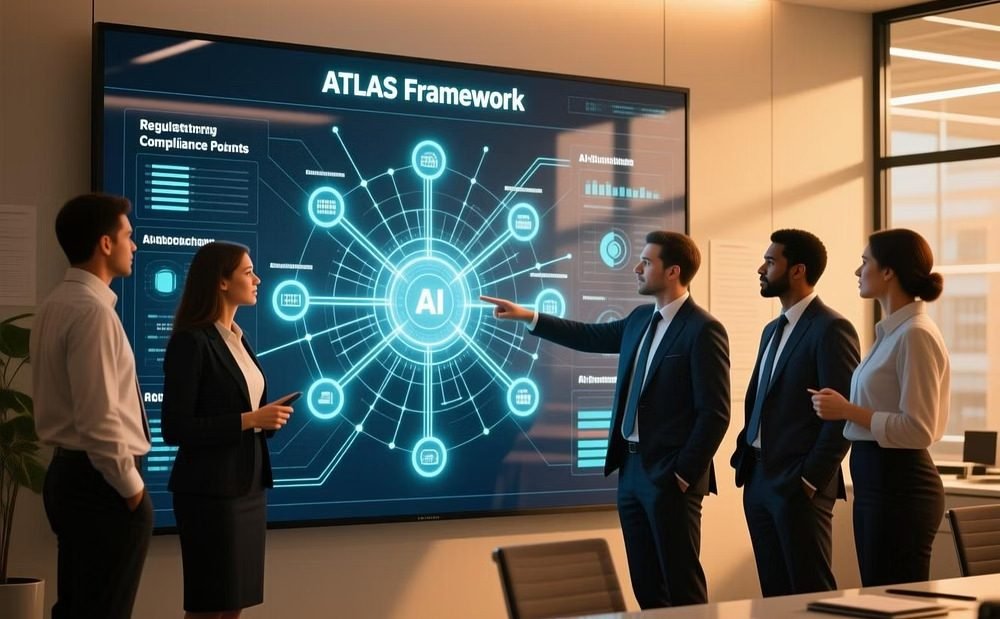
Artificial intelligence and distributed-ledger technology are reshaping energy-sector compliance. We design frameworks that integrate them with legal certainty — from regulatory risk mapping to provenance tracking and self-executing compliance conditions.
The method is delivered through our named engines — explained on the Approach page. Technical build is undertaken with trusted engineering partners; we provide the legal design and governance.
Frontier & emerging mandates
An emerging-mandates practice, delivered through specialist network partners. We advise on the regulatory, contractual and liability questions of space-based energy and orbital sustainability — grounded in international treaty frameworks.

Next step
A confidential briefing turns a regulatory question into a mapped set of priorities and actions.
